
Beyond the noise of ubiquitous visual symbols and ephemeral social media trends, a deeper spatial aesthetic is quietly reshaping global interior and furniture design—"Honest Space."
In a strict design context, an Honest Space is not a specific visual style, but an approach to space-making centered on "unpretentiousness." It emphasizes that space and its constituent elements—materials, structure, light—present themselves truthfully, refusing to perform for the sake of mere decoration, fleeting trends, or momentary "wow effects."
This honesty is not crude or primitive; rather, it represents a refined, layered aesthetic ethic:
Part 1. Honesty in Materials: Presenting What Is
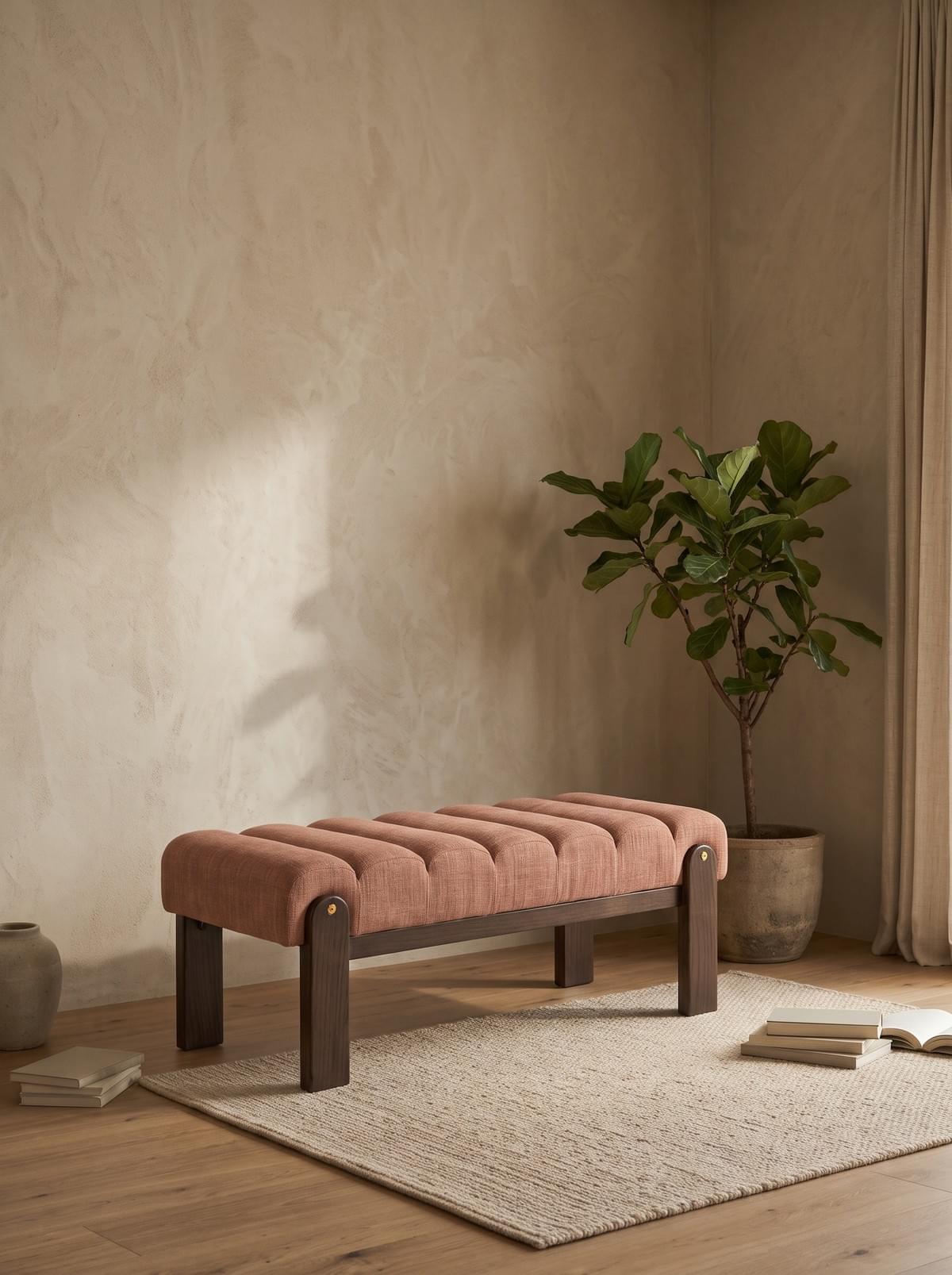
This is the most foundational and physical layer of an Honest Space. It means steel does not apologize for its weight and coldness, and wood candidly wears its natural grain and the marks of time, rather than concealing them beneath synthetic veneers.
In this sense, "honesty" is not a moral posture, but a material ethic: allowing each material to exist in its authentic form and enabling it to age naturally, accumulating the patina of time rather than resisting it.
Color, as an extension of material, finds its most natural expression here. "Honest tones"—represented by walnut, ivory, oat, and tan—are the visual and sensory manifestation of this material sincerity. Unadorned and unexaggerated, they allow the tactile warmth of physical materials to soothe body and mind.
Part 2. De-performance in Space: Quiet, and Thus Credible
The core experience of an Honest Space is quietness. It does not attempt to persuade, flatter, or posture for visitors.
Swiss architect Patrick Müller captured this sentiment with precision: a space feels truly comfortable because it "stands quietly for itself." When this resonance exists, even the warmest materials appear misplaced if forced into performative or ostentatious poses. The quieter a space is, the more honest it becomes; and this effortless honesty is the true source of deep comfort.
This de-performance aligns seamlessly with the essence of "Quiet Luxury." True substance never needs to shout through prominent logos or calculated gestures. Stripped of loud branding, a space speaks for itself through continuous geometric tension, meticulous seamwork, and the ethos of "fewer pieces, better made."
Part 3. Function and Necessity: Form Growing from Need
In honest design practice, form never originates from pre-packaged "trending images" or rigid style templates. Instead, it grows organically from real problems, site conditions, manufacturing constraints, and genuine human needs. When every structure and every object exists out of necessity rather than mere visual impact, the space gains an inherent clarity and order.
Japanese architect Keiji Ashizawa takes this principle even further. Making "Honest Design" his core philosophy, he firmly rejects designing for short-lived "wow spaces" meant only to capture quick attention. To him, those are merely ephemeral gimmicks; honest design must withstand the test of time: "If I design, I hope it lasts for at least the lifetime of the user, or my own."
Conclusion: From Physical Sincerity to Spiritual Sanctuary
Evolving from
"Truth to Materials" in industrial physics to today's "Honest Space"—a concept blending psychological comfort with commercial rationality—this elevation reflects a profound shift in modern living psychology and aesthetic autonomy.
In an era dominated by cold digital screens and relentless pressure, people suffer from pervasive sensory deprivation. Honest Space is no longer just a design slogan; it has become an essential refuge for emotional security and psychological restoration. It uses unvarnished material warmth to resist the decay of time and employs restrained formal language to combat aesthetic fatigue.
"Quiet luxury was never about price. It was about permanence."
When superficial labels fade, only designs grounded in material truth and aligned with human and spatial logic will continue to stand quietly for themselves, serving as timeless anchors that accompany inhabitants through a long, textured life.